
Blinds or curtains? Choosing window treatments room by room
There is no single right answer, only the right answer for each room. A practical guide to blinds, shutters, curtains and wave rails.

Window treatments change a room more than almost anything else, and they are often decided last, in a hurry. A few minutes thinking about each room's light, privacy and use makes the choice much clearer.
Living rooms
Curtains bring softness and absorb sound, which helps open-plan living areas that can feel echoey. Wave rails give a tidy, even fold and can be motorised for wide or hard-to-reach windows.
Bedrooms
Layering works best here: a blackout curtain or blind for sleep, combined with a sheer for daytime privacy. Mounting the track close to the ceiling and extending it past the window frame makes windows feel bigger and blocks light leaking around the edges.
Kitchens and bathrooms
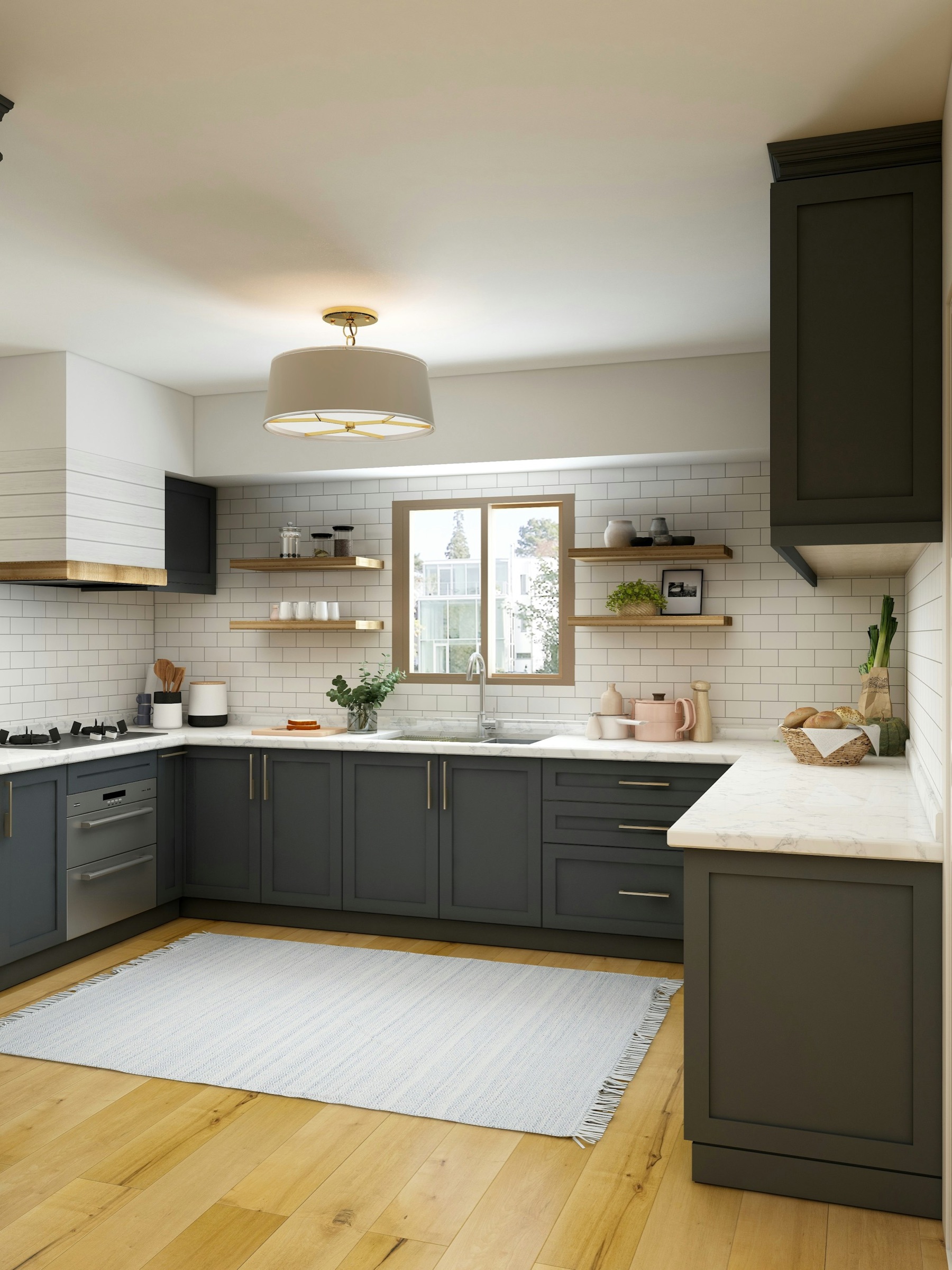
Blinds and shutters are the practical choice: easy to clean, resistant to humidity, and they don't collect cooking smells. Choose moisture-tolerant materials in bathrooms.
Offices
Glare control is the priority. Roller blinds with the right openness let people see out while cutting glare on screens.
- Measure the light: which way does the window face, and when is the sun on it?
- Decide what you need: privacy, darkness, softness or glare control.
- Then choose the look. Treatments that solve the practical problem are the ones you'll still like in five years.